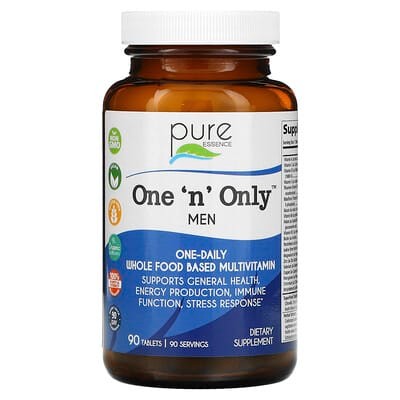


About this product
The main benefit is helping cover nutrient gaps, with normal energy metabolism and immune function as the clearest uses. Folate and B12 also support blood formation. These nutritional roles do not establish additional productivity, slower aging or higher testosterone when intake is adequate.
Named methylfolate, methylcobalamin and trace mineral sources improve comparison. The 20 mg zinc and 1 mg copper amounts are stated separately, while magnesium contributes only 25 mg. That small mineral amount limits the rationale for choosing the blend mainly for magnesium-related support.
The 31.5 mg B6 serving deserves care in a daily routine. Its two forms have undisclosed proportions, and duplicate form entries for vitamins do not establish separate full doses. Larger B-vitamin amounts do not guarantee extra energy.
The extra herbal and male-support blends are difficult to assess because their contents and individual active amounts remain incomplete. Nutrient value is uneven: folate and some other components compare more favorably, while several minerals and B vitamins offer less for the cost. The blend is most defensible when its known nutrients match actual dietary gaps.
Pros
Identified folate and B12 forms Separately quantified zinc and copper Named sources for several trace minerals
Cons
Magnesium contributes only a small amount Mixed-vitamin source proportions are undisclosed Extra blend contents remain incomplete Value varies substantially across the nutrients supplied Broad intended uses exceed the clearest dietary-gap benefits
Warnings
B6 at 31.5 mg is high for routine daily use; avoid adding other B6 without checking total exposure and ongoing suitability. The incompletely identified herbal and male-support blends make screening for an unwanted or duplicated component difficult.