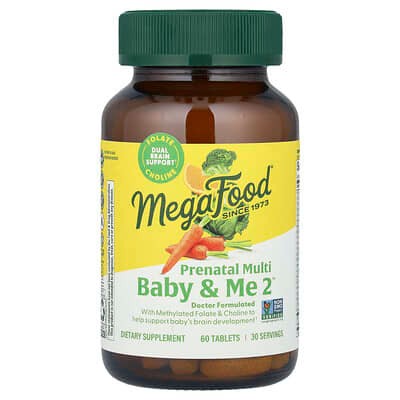


About this product
The strongest use is covering nutritional gaps during a prenatal routine. Iron at 18 mg, folate at 1,020 mcg DFE and the B vitamins support normal blood formation and energy use. Benefits for tiredness or concentration depend on whether nutrient intake or status is low.
Iron and zinc use bisglycinate forms, with 15 mg zinc clearly stated. Choline at 300 mg adds a meaningful nutritional contribution, although its bitartrate form does not establish sharper memory or focus. Calcium and DHA are not listed, so the formula does not cover every part of a prenatal nutrition plan.
Some label details need clarification despite the broad nutrient coverage. Copper is recorded with an unclear unit, preventing a useful comparison with the zinc amount, and the folate declaration does not clearly identify its chemical form. K1 and MK-7 are separately listed, but their presence does not establish a particular bone or cardiovascular result; the relatively high serving cost matters if only one or two nutrients are needed.
Pros
Iron bisglycinate is favored for absorption and stomach tolerance Choline amount and source are stated Zinc bisglycinate provides a maintenance-level amount
Cons
Copper's recorded unit prevents a meaningful dose assessment Folate's precise chemical form is unclear Calcium and DHA are not listed High cost if purchased mainly as an iron or choline source
Warnings
Copper is recorded as 0.20 m.c.u.; verify the actual amount before relying on its balance with 15 mg zinc. Iron and zinc share the same serving, and zinc can compete with iron absorption if iron support is the main reason for use.