Impact
Situational effect
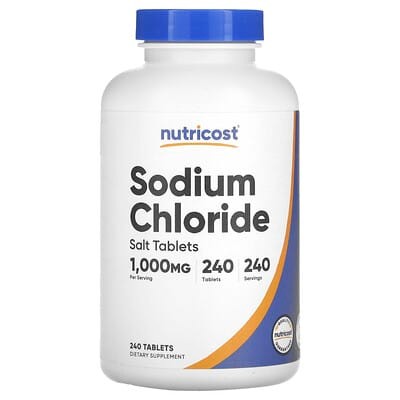
Typical dose:500–1000 mg
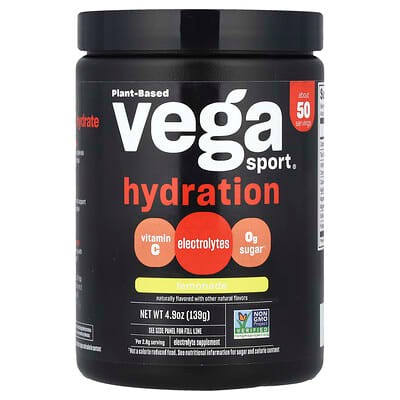
Sodium is lost in sweat and is essential for fluid balance, nerve transmission, and muscle contraction. For athletes engaged in long-duration or high-intensity activity with significant sweat loss, targeted sodium intake is crucial to prevent dehydration and performance decline.
- Focuses on
- Most relevant for
- Athletes participating in high-intensity intervals, combat sports, or endurance activities in hot environments.
Potential benefits
- High-Intensity Buffering.Sodium bicarbonate supplementation supports performance during intense efforts lasting between 30 seconds and 12 minutes by enhancing the body's capacity to buffer metabolic acid buildup.
- Interval Training Support.Targeted intake may improve power and performance in the later stages of repeated sprint sessions or interval training by maintaining acid-base balance across multiple bouts.
- Hydration in Heat.Pre-exercise sodium hyperhydration has been shown to improve time-trial performance and support fluid balance for endurance athletes exercising in high-heat conditions.
Limitations
- Gastrointestinal Side Effects.High doses often cause significant bloating, nausea, and diarrhea, which can impair performance and may offset any ergogenic benefits.
- Task-Specific Results.Performance gains are inconsistent for general strength tasks, short sprints under 30 seconds, and continuous running, where many studies show negligible effects.
- Compound Dependence.Most fitness benefits are linked specifically to sodium bicarbonate's chemical buffering role rather than increased intake of general dietary sodium.
Things to consider
Test any supplementation protocol during training sessions first to assess individual gastrointestinal tolerance before use in competitive events.
Study evidence
96 studiesCertain sodium-containing products can improve performance in specific exercise settings, especially sodium bicarbonate during intense efforts. This does not establish a general fitness benefit from extra dietary sodium, and inconsistent results and gastrointestinal side effects limit how broadly the findings apply.
View goal