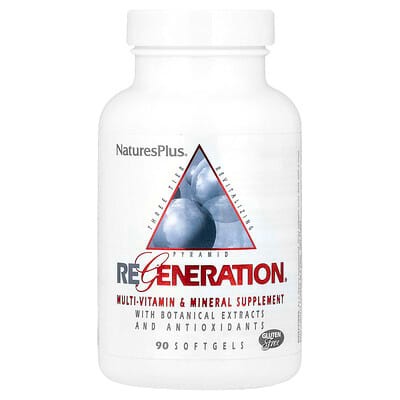


About this product
Broad nutrient support is the clearest use, especially when the diet falls short in B vitamins or zinc. B vitamins contribute to normal energy use, while folate and B12 support blood formation. These roles do not establish an immediate lift in concentration, productivity or metabolism when intake is already adequate.
The 15 mg zinc serving is accompanied by 1 mg copper, and copper's glycinate form is a useful detail. Calcium at 100 mg and magnesium at 50 mg provide limited mineral coverage for bone support. Meanwhile, 50 mg of vitamin B6 is well above a routine nutritional amount and deserves more attention than the long list of added herbs.
The botanical additions leave substantial uncertainty about practical benefits. Green tea lacks an EGCG amount and caffeine information, while the milk thistle declaration does not clearly identify an extract preparation. Several ingredient forms and mixture details are also unclear, and the relatively high serving cost is difficult to justify for someone seeking only basic nutrient coverage.
Pros
Zinc and copper amounts are both stated Copper uses the glycinate form Folate and B12 add nutritional support for blood formation
Cons
Calcium and magnesium amounts offer limited bone-mineral coverage Unclear botanical preparations weaken the case for the wider claimed uses Several generic mineral-chelate names leave the precise forms uncertain Relatively high cost for basic nutritional support
Warnings
The 50 mg B6 serving is well above routine nutritional needs; review total B6 intake before combining it with other supplements. Glucosamine includes a crustacean-shell source, which matters for people avoiding shellfish because of allergy. Green tea caffeine content is not stated, leaving its suitability uncertain for people who need to avoid caffeine.