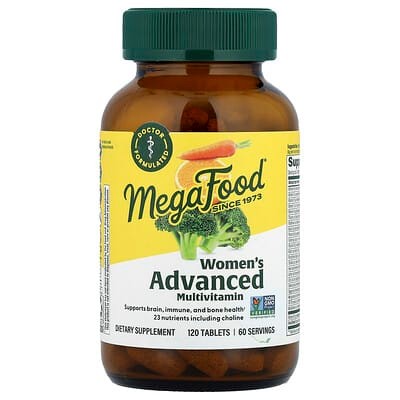


About this product
An exceptionally high recorded vitamin D amount is the main issue to resolve before use. The supplied declaration is 20 mg per serving, and the supporting findings flag a concern for bone health at high exposure. Check the amount and unit on the actual label before relying on its bone-related positioning.
Beyond that unresolved detail, the formula mainly serves everyday nutritional gaps. B vitamins support normal energy metabolism, while 15 mg iron contributes to oxygen transport and methylfolate supports blood formation. Zinc, manganese and molybdenum use named bisglycinate forms, but their presence does not demonstrate extra energy or slower aging when intake is adequate.
Low copper relative to zinc weakens the mineral balance, and the chromium blend does not disclose its individual proportions. Choline is identified as bitartrate, but the supplied ingredient findings treat its 200 mg listing as compound weight rather than a confirmed choline yield. Separate K1 and MK-7 entries do not settle wider benefit claims, calcium is absent, and the full serving is costly for individual nutrient needs.
Pros
Iron and zinc are supplied as bisglycinate Manganese and molybdenum have identified chelated sources Methylfolate and methylcobalamin are named
Cons
Recorded vitamin D amount needs clarification before routine use Little copper accompanies the zinc dose Choline yield is not confirmed from the bitartrate listing Chromium blend proportions are missing No calcium is listed
Warnings
Vitamin D is recorded as 20 mg per serving; confirm the amount and unit before use because the high exposure raises a bone-health concern. The 15 mg zinc and 0.2 mg copper combination calls for reviewing total mineral intake before adding more zinc. Zinc can compete with the included iron for absorption, which matters if iron support is the primary aim.