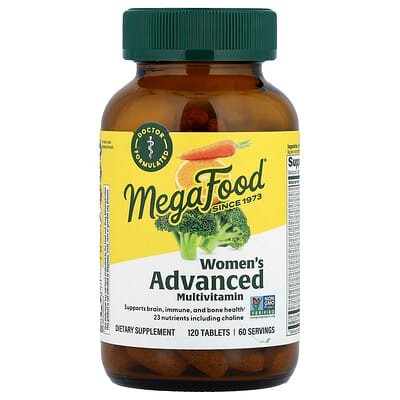





About this product
The vitamin D declaration needs checking before routine use. The supplied amount is 20 mg, an exceptionally high declaration that raises a bone-health concern rather than establishing a benefit. Confirm the amount and unit on the actual label before deciding whether the formula fits your needs.
The remaining formula mainly supports nutritional gaps, with B vitamins for normal energy use and 15 mg iron for oxygen transport. Iron, zinc, manganese and molybdenum use named bisglycinate forms, which are useful quality details. Methylfolate and methylcobalamin are also identified, but these forms do not establish extra energy, cosmetic improvement or slower aging.
Copper at 0.2 mg is low relative to 15 mg zinc, and the chromium blend does not disclose the proportions of its different forms. K1 and MK-7 are individually listed, although broader claims about their combined contribution remain uncertain. Calcium is absent, and the relatively high serving cost limits its appeal as basic mineral support.
Pros
Iron and zinc use named bisglycinate forms Methylfolate and methylcobalamin are identified Manganese and molybdenum sources are clearly named
Cons
The vitamin D amount prevents a confident routine-use assessment Copper is small relative to zinc Chromium-form proportions are undisclosed Calcium is absent despite bone-related positioning High cost for individual mineral contributions
Warnings
Vitamin D is recorded as 20 mg per serving; verify the amount and unit before use because the exceptionally high declaration raises a bone-health concern. The formula pairs 15 mg zinc with 0.2 mg copper; review total mineral intake before adding more zinc. Zinc may compete with the included iron for absorption, limiting its suitability when iron support is the main goal.