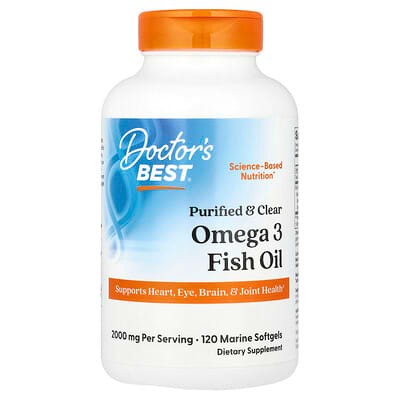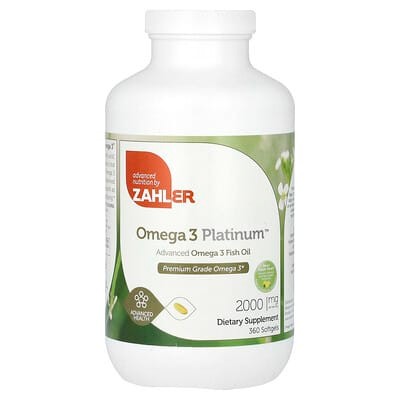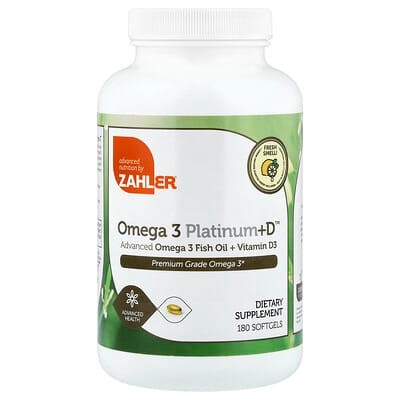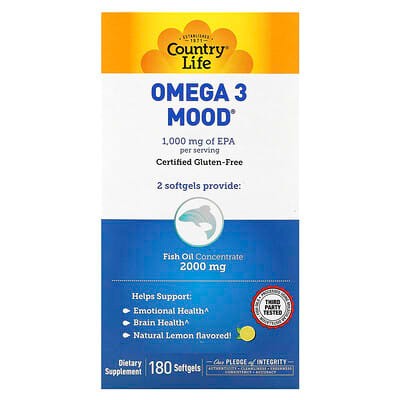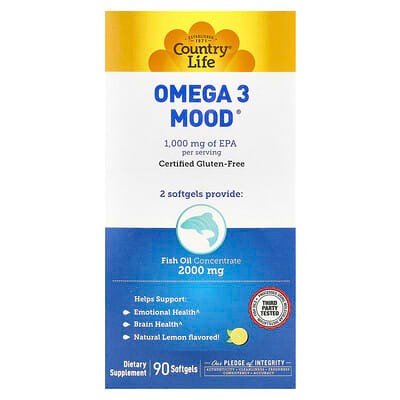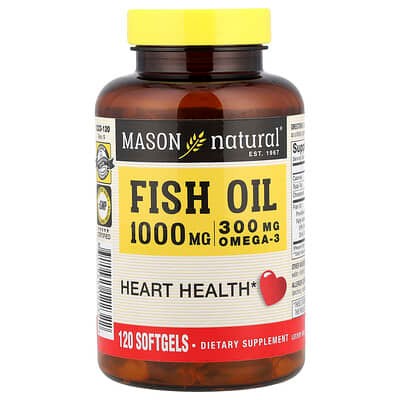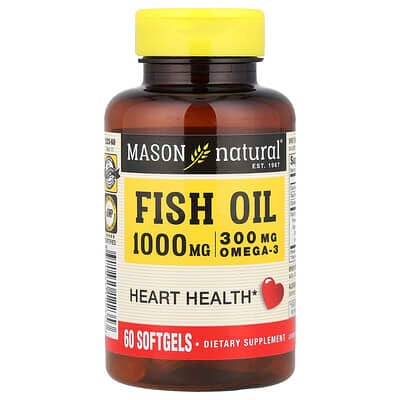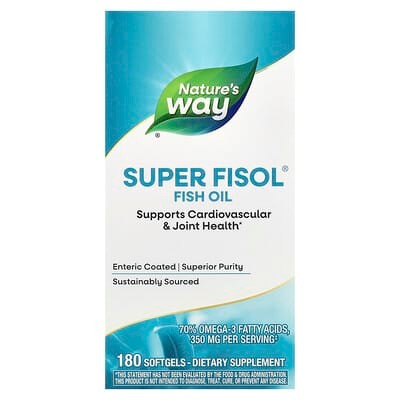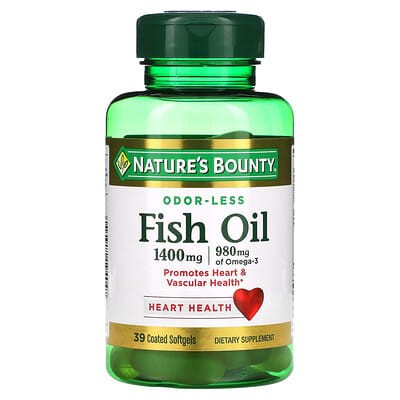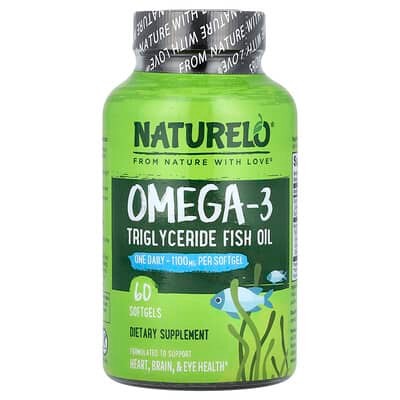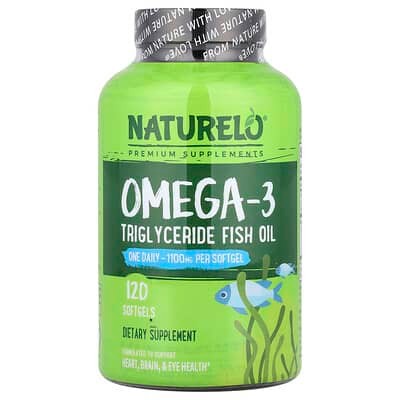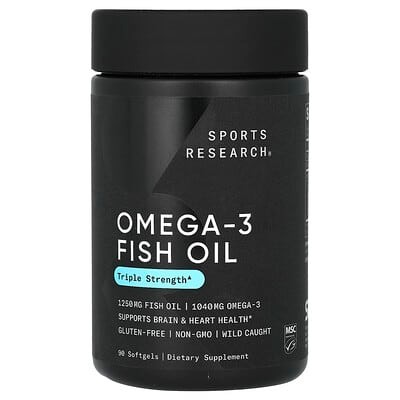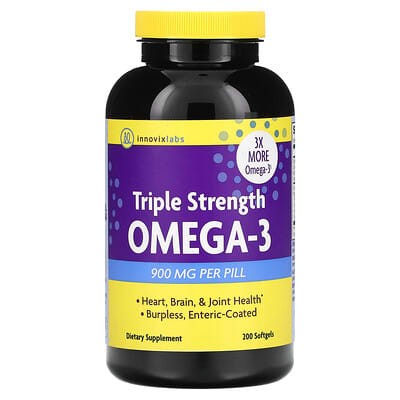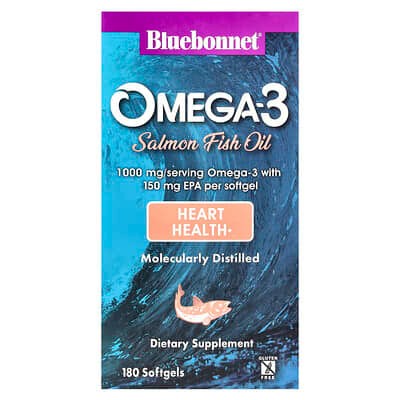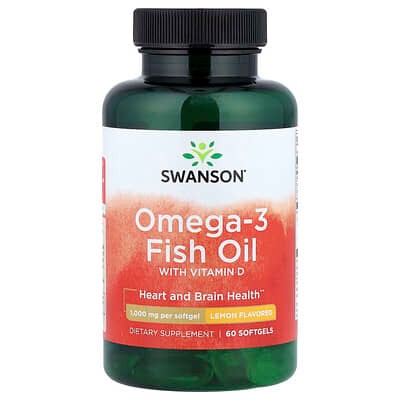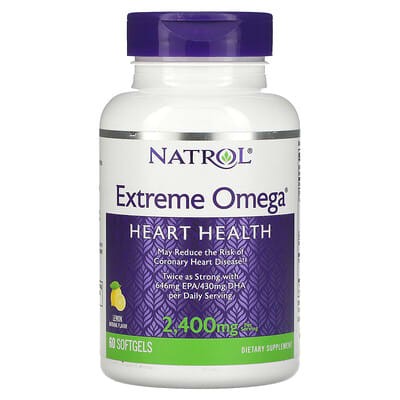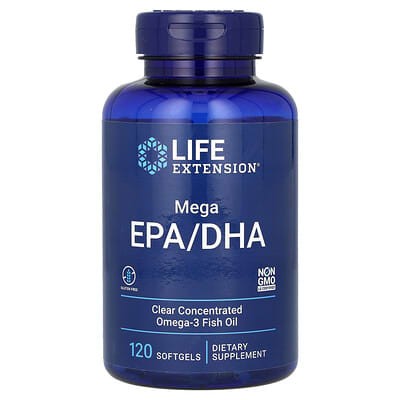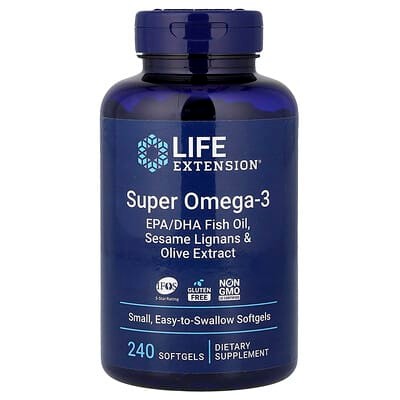
EPA (Eicosapentaenoic Acid)

fatty acid

EPA is a long-chain polyunsaturated omega-3 fatty acid obtained through food or supplements. It acts as a precursor to eicosanoids, which are signaling molecules that help regulate various physiological processes, including immune responses, blood clotting, and inflammation. Research indicates that EPA supports cardiovascular health by helping to maintain healthy triglyceride levels and supporting the function of the arteries. Its anti-inflammatory properties may offer relief in conditions such as arthritis and other inflammatory states. In addition to physical health, EPA supports brain health and mood regulation. It contributes to neuronal function and is studied for its potential to help manage symptoms of depression and anxiety, often alongside DHA to support cognitive well-being and mental clarity.

Natural sources
Fatty fish (e.g., salmon, mackerel, sardines, anchovies, herring, tuna)Algae (certain microalgae)Krill oil

No public comparison lists found.

Optimal Dosage
Minimum250 mg
Maximum1000 mg
Safety & Toxicity
Toxicity Threshold5000 mg
Toxicity EffectIncreased bleeding risk
4 safety notes
  • Individuals with bleeding disorders or those taking anticoagulant/antiplatelet medications should use EPA with caution and under medical supervision due to an increased risk of bleeding.
  • High doses of EPA may potentially suppress immune function.
  • Always consult a healthcare professional before starting supplementation, especially if pregnant, nursing, have a medical condition, or are taking other medications.
  • Discontinue use if unusual bleeding or bruising occurs.
Goals
Cognitive Support
Impact
Highest effect
Typical dose:250–1500 mg
While DHA is structural, EPA plays a vital role in regulating inflammation within the brain, which is a key factor in cognitive aging and mood disorders. It also helps produce signaling molecules that support overall brain function.

Study evidence

24 studies

EPA-rich omega-3 oil has shown some cognitive benefits, but the overall evidence is mixed and often combines EPA with DHA. Higher dietary intake or blood levels are associated with better cognition in some studies, without proving that EPA supplements prevent cognitive decline.

View goal

Heart Health
Impact
Highest effect
Typical dose:500–2000 mg
As a primary component of Omega-3, EPA directly competes with pro-inflammatory arachidonic acid, reducing the production of inflammatory eicosanoids. This reduction in systemic inflammation is crucial for preventing the progression of atherosclerosis.

Study evidence

119 studies

Prescription purified EPA lowers triglycerides and can reduce cardiovascular events in selected high-risk people already taking statins. This evidence does not establish the same protection from ordinary EPA supplements, and treatment has been associated with more hospitalizations for atrial fibrillation or flutter.

View goal
Vision Support
Impact
High effect
Typical dose:250–1200 mg
Eicosapentaenoic acid (EPA) is an omega-3 fatty acid that produces signaling molecules which potently reduce inflammation. This action is highly beneficial for ocular surface health, helping to alleviate symptoms of dry eye syndrome by reducing inflammation in the tear-producing glands. It works synergistically with DHA's structural role.

Study evidence

16 studies

Higher dietary intake of EPA (Eicosapentaenoic Acid) is associated with a lower risk of some forms of age-related macular degeneration. This does not prove that EPA supplements protect vision, and supplementation studies have not shown reduced progression to advanced disease.

View goal
Mental Focus
Impact
Moderate effect
Typical dose:500–2000 mg
While DHA is structural, EPA plays a significant role in reducing inflammatory processes in the brain. Elevated inflammation is linked to brain fog and cognitive fatigue. By supporting a healthy inflammatory response and mood, EPA helps create a better internal environment for sustained concentration.

Study evidence

4 studies

EPA-containing supplements show promise for selected measures of attention and cognitive performance, but the evidence is not consistent or specific to EPA alone. Findings from particular age groups and children with ADHD do not establish a general improvement in everyday mental focus.

View goal

Studies

Research connections will load here.
Sources

Up to five highest-ranked published examples per goal. Study counts and charts include all published studies for the connection.

  1. Blood polyunsaturated omega-3 fatty acids, brain atrophy, cognitive decline, and dementia risk.
    Thomas A; Baillet M; Proust-Lima C; Féart C; Foubert-Samier A; Helmer C; Catheline G; Samieri C · Alzheimer's & dementia : the journal of the Alzheimer's Association · 2024
    Cohort study1,279 participantsCognitive Support
  2. Thirteen-year prospective study between fish consumption, long-chain n-3 fatty acids intakes and cognitive function.
    Kesse-Guyot E; Péneau S; Ferry M; Jeandel C; Hercberg S; Galan P; SU.VI.MAX 2 Research Group · The journal of nutrition, health & aging · 2011
    Cohort study3,294 participantsCognitive Support
  3. Serum ω-3 Fatty Acids and Cognitive Domains in Community-Dwelling Older Adults from the NuAge Study: Exploring the Associations with Other Fatty Acids and Sex.
    Duchaine CS; Fiocco AJ; Carmichael PH; Cunnane SC; Plourde M; Lampuré A; Allès B; Belleville S; Gaudreau P; Presse N; Ferland G; Laurin D · The Journal of nutrition · 2022
    Cross-sectional study386 participantsCognitive Support
  4. Breast milk EPA associated with infant distractibility when EPA level is low.
    Jia K; Feng Y; Brenna JT; Luo ZC; Zhao J; Li H; Li P; Zhang Q; Zhao Q; Dai Q; Zhong Y; Lambers T; Zhang H; Zhou H; Gao Y · Nutrition (Burbank, Los Angeles County, Calif.) · 2021
    Cohort study120 participantsCognitive Support
  5. Association of Red Blood Cell Omega-3 Fatty Acids With MRI Markers and Cognitive Function in Midlife: The Framingham Heart Study.
    Satizabal CL; Himali JJ; Beiser AS; Ramachandran V; Melo van Lent D; Himali D; Aparicio HJ; Maillard P; DeCarli CS; Harris WS; Seshadri S · Neurology · 2023
    Cross-sectional study2,183 participantsCognitive Support
  6. Effects of eicosapentaenoic acid on major coronary events in hypercholesterolaemic patients (JELIS): a randomised open-label, blinded endpoint analysis.
    Yokoyama M; Origasa H; Matsuzaki M; Matsuzawa Y; Saito Y; Ishikawa Y; Oikawa S; Sasaki J; Hishida H; Itakura H; Kita T; Kitabatake A; Nakaya N; Sakata T; Shimada K; Shirato K; Japan EPA lipid intervention study (JELIS) Investigators · Lancet (London, England) · 2007
    Randomized trial18,645 participantsHeart Health
  7. Effects of EPA on coronary artery disease in hypercholesterolemic patients with multiple risk factors: sub-analysis of primary prevention cases from the Japan EPA Lipid Intervention Study (JELIS).
    Saito Y; Yokoyama M; Origasa H; Matsuzaki M; Matsuzawa Y; Ishikawa Y; Oikawa S; Sasaki J; Hishida H; Itakura H; Kita T; Kitabatake A; Nakaya N; Sakata T; Shimada K; Shirato K; JELIS Investigators, Japan · Atherosclerosis · 2008
    Randomized trial14,981 participantsHeart Health
  8. Effects of omega-3 fatty acids on coronary revascularization and cardiovascular events: a meta-analysis.
    Dinu M; Sofi F; Lotti S; Colombini B; Mattioli AV; Catapano AL; Casula M; Baragetti A; Wong ND; Steg PG; Ambrosio G · European journal of preventive cardiology · 2024
    Meta-analysis134,144 participants18 studies pooledHeart Health
  9. Incremental effects of eicosapentaenoic acid on cardiovascular events in statin-treated patients with coronary artery disease.
    Matsuzaki M; Yokoyama M; Saito Y; Origasa H; Ishikawa Y; Oikawa S; Sasaki J; Hishida H; Itakura H; Kita T; Kitabatake A; Nakaya N; Sakata T; Shimada K; Shirato K; Matsuzawa Y; JELIS Investigators · Circulation journal : official journal of the Japanese Circulation Society · 2009
    Randomized trialHeart Health
  10. Omega-3 Fatty Acids for the Management of Hypertriglyceridemia: A Science Advisory From the American Heart Association.
    Skulas-Ray AC; Wilson PWF; Harris WS; Brinton EA; Kris-Etherton PM; Richter CK; Jacobson TA; Engler MB; Miller M; Robinson JG; Blum CB; Rodriguez-Leyva D; de Ferranti SD; Welty FK; American Heart Association Council on Arteriosclerosis, Thrombosis and Vascular Biology; Council on Lifestyle and Cardiometabolic Health; Council on Cardiovascular Disease in the Young; Council on Cardiovascular and Stroke Nursing; and Council on Clinical Cardiology · Circulation · 2020
    OtherHeart Health
  11. Dietary omega-3 LCPUFA intake in the prevention of neovascular age-related macular degeneration: a systematic review and meta-analysis.
    Meng XT; Shi YY; Hong-Yan Z · Nutricion hospitalaria · 2022
    Meta-analysis5 studies pooledVision Support
  12. Dietary omega-3 polyunsaturated fatty acids and fish intake and risk of age-related macular degeneration.
    Jiang H; Shi X; Fan Y; Wang D; Li B; Zhou J; Pei C; Ma L · Clinical nutrition (Edinburgh, Scotland) · 2022
    Meta-analysis21 studies pooledVision Support
  13. Dietary fatty acid intake, plasma fatty acid levels, and the risk of age-related macular degeneration (AMD): a dose-response meta-analysis of prospective cohort studies.
    Zhong Y; Wang K; Jiang L; Wang J; Zhang X; Xu J; Yao K · European journal of nutrition · 2021
    Meta-analysis167,581 participants11 studies pooledVision Support
  14. Dietary ω-3 fatty acid and fish intake and incident age-related macular degeneration in women.
    Christen WG; Schaumberg DA; Glynn RJ; Buring JE · Archives of ophthalmology (Chicago, Ill. : 1960) · 2011
    Cohort study38,022 participantsVision Support
  15. Can Omega-3 Fatty Acids Serve as a Preventive Strategy for Age-Related Macular Degeneration? A Systematic Review and Meta-Analysis.
    Chen KY; Chan HC; Chan CM · The Journal of nutrition · 2026
    Meta-analysis18 studies pooledVision Support
  16. The influence of n-3 polyunsaturated fatty acids on cognitive function in individuals without dementia: a systematic review and dose-response meta-analysis.
    Suh SW; Lim E; Burm SY; Lee H; Bae JB; Han JW; Kim KW · BMC medicine · 2024
    Meta-analysis9,660 participants24 studies pooledMental Focus
  17. EPA supplementation improves teacher-rated behaviour and oppositional symptoms in children with ADHD.
    Gustafsson PA; Birberg-Thornberg U; Duchén K; Landgren M; Malmberg K; Pelling H; Strandvik B; Karlsson T · Acta paediatrica (Oslo, Norway : 1992) · 2011
    Randomized trial92 participantsMental Focus
  18. Docosahexaenoic Acid (DHA) and Eicosapentaenoic Acid (EPA)-Should They Be Mandatory Supplements in Pregnancy?
    Amza M; Haj Hamoud B; Sima RM; Dinu MD; Gorecki GP; Popescu M; Gică N; Poenaru MO; Pleș L · Biomedicines · 2024
    Narrative reviewMental Focus
  19. Supplementation with oil rich in eicosapentaenoic acid, but not in docosahexaenoic acid, improves global cognitive function in healthy, young adults: results from randomized controlled trials.
    Patan MJ; Kennedy DO; Husberg C; Hustvedt SO; Calder PC; Khan J; Forster J; Jackson PA · The American journal of clinical nutrition · 2021
    Randomized trial310 participantsMental Focus