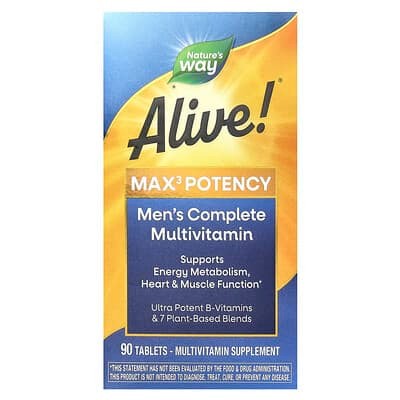


About this product
The strongest role is broad nutrient replacement, with vitamin C, zinc and selenium supporting normal immune functions and B vitamins supporting normal energy metabolism. The higher B-vitamin amounts do not establish additional energy, faster metabolism or a wider health benefit once nutritional needs are met.
Several named sources are useful strengths, including methylcobalamin B12, gluconate zinc and chelated copper and manganese. Zinc at 22 mg is paired with 1.8 mg copper, while calcium and vitamin D add bone nutrition; the proportions within the mixed magnesium and iodine sources remain unclear.
The numerous blends are harder to judge because their totals do not reveal individual amounts. Rhodiola is identified but unquantified, and other added ingredients remain unresolved, so the energy, endurance and cardiovascular blend names do not establish targeted effects.
Choline at 30 mg and lutein at 0.5 mg provide little basis for expecting noticeable focus or vision benefits. The 20 mg B6 serving also deserves attention when planning continued use, and the cost compares less favorably with simpler ways to cover ordinary nutrient gaps.
Pros
B12 is identified as methylcobalamin Zinc and copper amounts are both disclosed Chelated copper and manganese provide named mineral sources Calcium and vitamin D contribute to normal bone nutrition
Cons
Blend totals conceal the amounts of individual ingredients Rhodiola exposure is unresolved Choline and lutein amounts offer limited targeted support Mixed-source proportions make parts of the formula harder to compare Cost provides no clear advantage for ordinary nutrient replacement
Warnings
The 20 mg B6 serving is above the preferred intake range in its assessment; review continued use and total B6 before adding a B-complex or another multivitamin