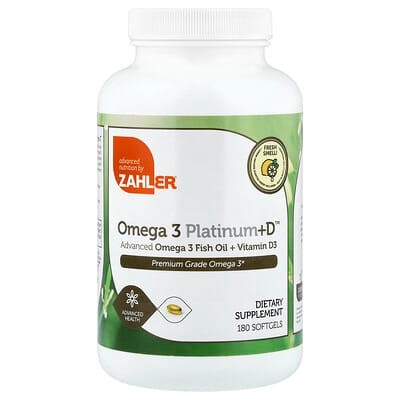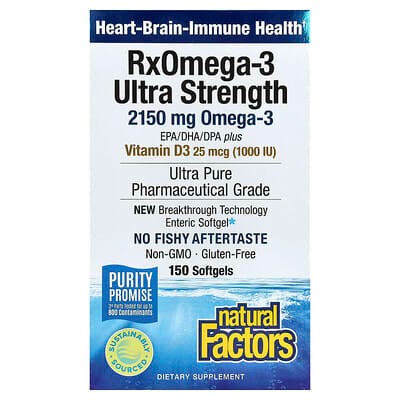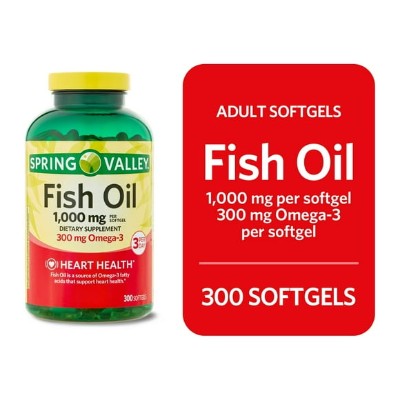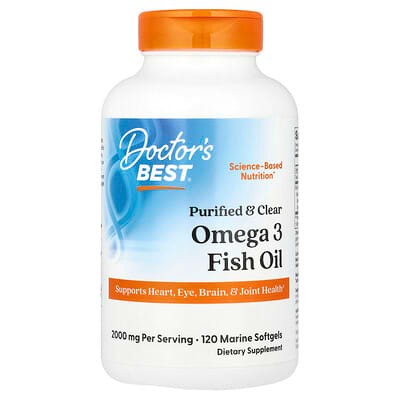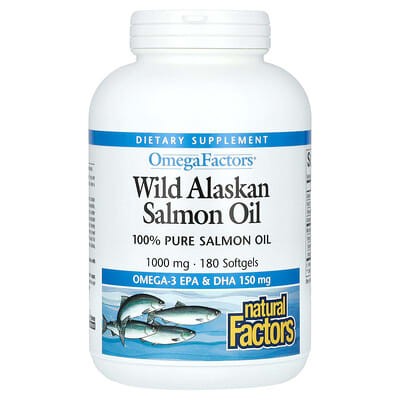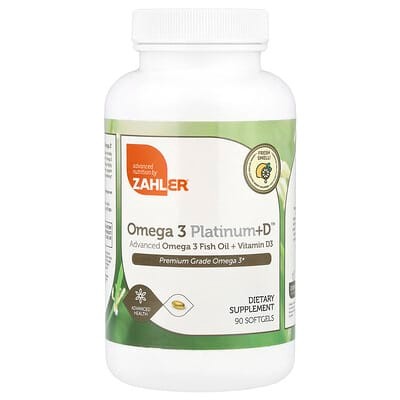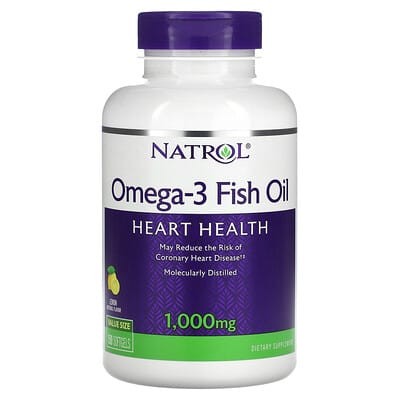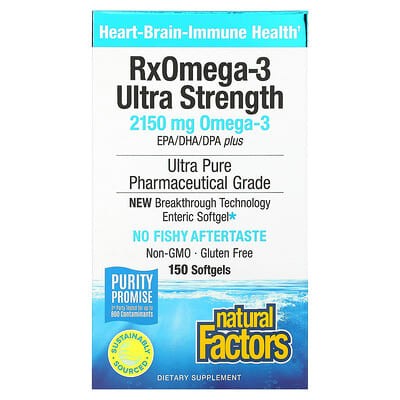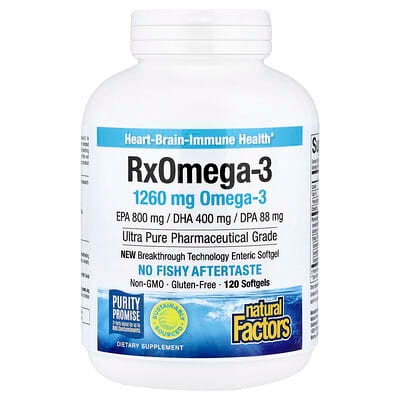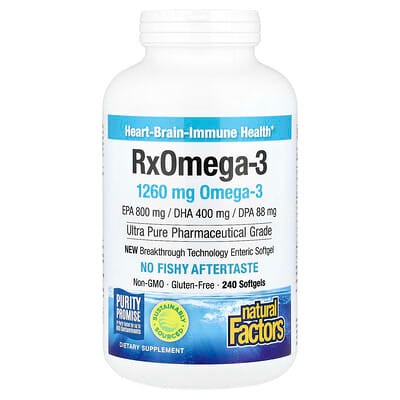
Fish oil is a foundational supplement for managing inflammation. Its components, EPA and DHA, are incorporated into cell membranes and enzymatically converted into specialized pro-resolving mediators (SPMs) that actively turn off the inflammatory process. This helps reduce chronic inflammation and supports cardiovascular and joint health.
- Focuses on
- Most relevant for
- Adults with underlying health conditions or metabolic risks seeking to manage chronic markers of systemic inflammation.
Potential benefits
- Reduction of Systemic Markers.Pooled clinical evidence shows that fish oil can significantly lower key inflammatory markers, including C-reactive protein (CRP) and tumor necrosis factor-alpha (TNF-alpha), particularly in individuals with hypertension or chronic kidney disease.
- Molecular Modulation.Supplementation influences inflammation at the cellular level by increasing the production of anti-inflammatory mediators like leukotriene B5 and downregulating genes associated with pro-inflammatory processes.
- Support in Specific Conditions.Evidence suggests benefits for specific inflammatory contexts, such as reducing interleukin-1 beta in rheumatoid arthritis and lowering tear-film inflammatory markers in cases of contact lens discomfort.
Limitations
- Mixed Effects in Healthy Adults.Multiple trials in healthy individuals, athletes, and active adults have found no significant impact on systemic inflammatory markers or exercise-induced inflammation.
- Inconsistent Symptom Relief.A reduction in laboratory markers does not always lead to clinical improvements; for example, fish oil has shown no clear benefit for maintaining remission in inflammatory bowel disease or reducing multiple sclerosis symptoms.
- Dose and Population Sensitivity.Anti-inflammatory effects often appear dose-dependent and are more consistently observed in populations with existing health conditions rather than the general public.
Things to consider
Gastrointestinal adverse effects are common at supplemental doses. The effectiveness may be influenced by the specific EPA-to-DHA ratio and whether it is used alongside conventional medical treatments.
Study evidence
68 studiesFish oil can lower some inflammatory markers, particularly in people with certain health conditions, but results vary substantially. These changes do not consistently translate into symptom relief, and research in healthy people often finds little or no anti-inflammatory benefit.